Elixir Logistics
Elixir Logistics
Elixir Logistics
Cutting-edge automated configurations tailored for the specific humidity, power stability, and throughput needs of Equatorial Guinea hubs.
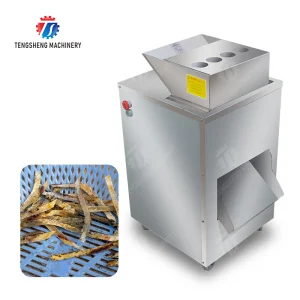
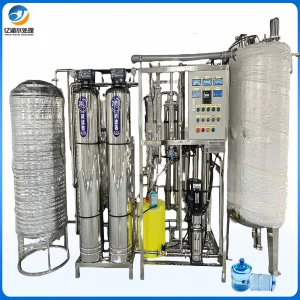
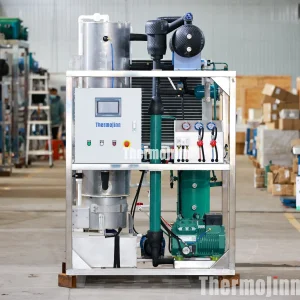
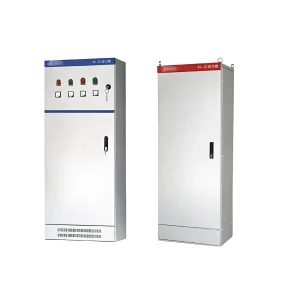
The industrial and commercial landscape of Equatorial Guinea—encompassing major economic hubs like Malabo on Bioko Island and Bata on the mainland—is undergoing a rapid evolution. Driven by national economic diversification initiatives such as the "Horizon 2035" agenda, the government is shifting focus from raw hydrocarbon exports to building robust domestic production, food security infrastructure, and maritime logistics. This transition demands high-efficiency warehouse infrastructure and specialized distribution center equipment capable of operating reliably in harsh equatorial maritime environments.
Modernization of the Ports of Malabo and Bata has positioned the country as an emerging transit gateway for the Central African Economic and Monetary Community (CEMAC). Distribution centers are no longer simple transit sheds; they are transitioning into cold storage facilities, automated bottling hubs, advanced processing centers, and smart sorting terminals. Supplying this infrastructure requires deep engineering expertise that can balance cost efficiency with durable construction practices.
Operating industrial machinery in Equatorial Guinea presents a unique set of challenges. High ambient temperatures, high relative humidity exceeding 85%, saline coastal air, and occasional voltage fluctuations from local power grids place immense physical stress on electronic components and mechanical moving parts. Equipment failures translate directly into supply chain bottlenecks, particularly in food preservation and manufacturing operations.
All distribution systems feature C4/C5 grade anti-corrosive coatings, marine-grade stainless steel components, and tropicalized IP65/IP66 electrical enclosures to prevent rust and short-circuit failures.
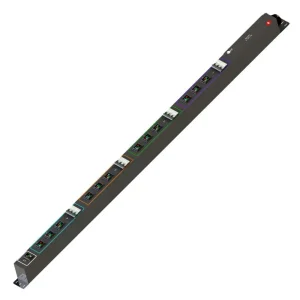
Equipped with integrated automatic power factor control (APFC) panels to protect against regional voltage spikes and dropouts, guaranteeing 24/7 continuous operation.
Chinese manufacturers have become the premier partners for West African industrial growth by providing the ultimate balance of custom engineering, hardware robustness, and rapid deployment. Unlike rigid European suppliers, Chinese factories specialize in custom modifications tailored to specific operational requirements. For companies setting up operations in Equatorial Guinea, this means accessing machinery engineered to withstand local conditions without paying prohibitive markups.
By leveraging advanced logistics platforms like Elixir Logistics, manufacturers in China can ship specialized systems under seamless DDP (Delivered Duty Paid) terms, handling all complicated customs procedures at the ports of Malabo and Bata. From automatic wrapping lines to high-throughput commercial sorting and food-grade packaging equipment, the integration of modern Chinese engineering with reliable shipping routes minimizes risk and maximizes capital efficiency.
Connecting Chinese manufacturing power with Equatorial Guinea's emerging industrial hubs through expert customs handling and optimized shipping routes.
Our management team brings over 20 years of international logistics and supply chain experience. We drive technological innovation to improve customer experiences and maintain stable, dedicated shipping channels worldwide.
Providing door-to-door (DDP), DDU, FOB, and CIF options via ocean freight, air transport, rail connections, and trans-continental truck freight. Specialized lanes guarantee safe transport for sensitive materials (such as our "BATTERY DDU" channel).
We conduct risk pre-screening on all shipping channels before dispatch. Our deep knowledge of import/export customs clearance regulations in China and destination markets in Africa ensures smooth transit without unexpected delays.
Our operations feature a 500-square-meter administrative headquarters and a 4,000-square-meter consolidation warehouse facility, facilitating quality checks and product aggregation. Our long-term relationships with global shipping lines guarantee stable cargo space and competitive rates, even during global supply chain disruptions.
Integrating diverse industrial machinery to build high-performance manufacturing and distribution hubs in Bioko and Rio Muni.
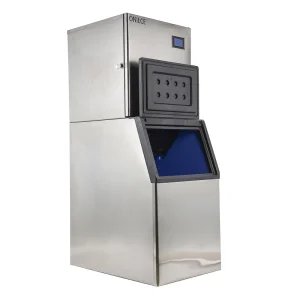
Essential for Equatorial Guinea's marine and agricultural distribution sectors. By integrating heavy-duty ice-making machinery, automatic vacuum packaging units, and commercial-grade cleaning systems, local companies can preserve fish catches and meat imports to supply supermarkets in Malabo II without spoilage.
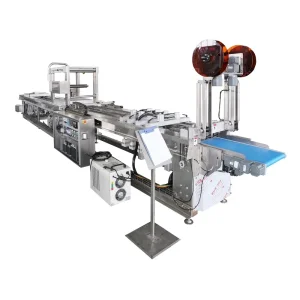
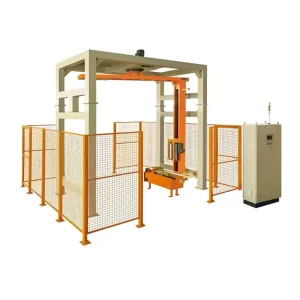
As domestic consumer markets grow, regional liquid packaging facilities require stable water-filling equipment and end-of-line pallet wrapping machines. This automated setup ensures hygienic operations and consistent output with minimal downtime, even in high-humidity coastal zones.
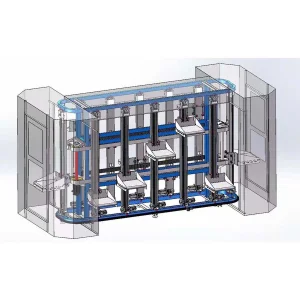
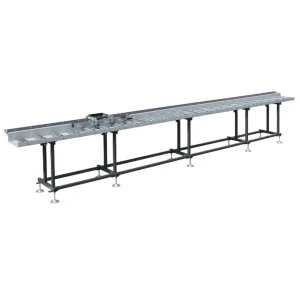
Equipping port terminals and postal centers in Bata with modern conveyor systems, intelligent DWS weight-scanning scales, and low-noise sorting units. These systems streamline cross-border shipping across the CEMAC region by minimizing manual handling errors.
Explore our complete catalog of high-efficiency machinery designed for integration into regional logistics networks and industrial facilities.
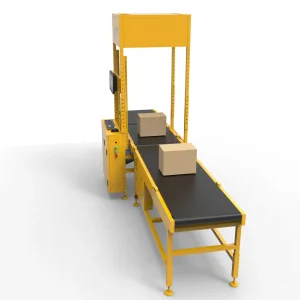
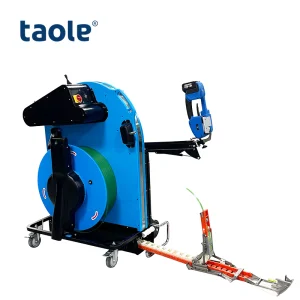
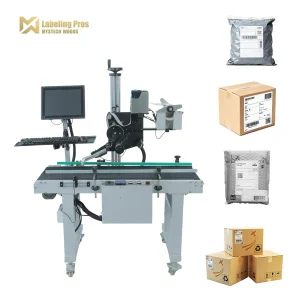
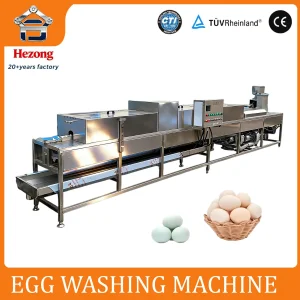
Addressing technical and logistical inquiries regarding procurement, compliance, and customs clearance in Equatorial Guinea.
Our specialized import/export customs clearance team pre-screens all documentation (including commercial invoices, packing lists, and certificates of origin) before shipping. This process avoids delays at local customs. For client peace of mind, we offer DDP (Delivered Duty Paid) terms, handling all import duties and local taxes.
Yes. Industrial installations in Equatorial Guinea typically operate on a 220V/380V, 50Hz electrical configuration. Our Automatic Power Factor Control (APFC) panels and low-voltage distribution hardware are custom-configured to these specifications. These units also feature integrated surge protection to buffer against power grid instability.
Equatorial Guinea's humid maritime climate presents high corrosion risks. Our equipment is manufactured using SUS304 or SUS316 stainless steel for product contact zones. Non-contact structural steel is finished with multi-layer powder coatings or C4-class protective finishes, and electrical cabinets are sealed to IP65 or IP66 ingress protection standards.
Yes. We manage specialized shipping channels, such as our "BATTERY DDU" logistics program. This service handles the packaging, classification, and customs paperwork required for lithium battery cells and industrial power storage units, ensuring compliant transport to Central African destinations.
In tropical environments, traditional electric defrosting cycles consume high levels of energy and can cause structural heat damage. Our high-output tube ice machines utilize hot gas defrosting to harvest ice rapidly, reduce cycle times, and lower energy usage by up to 25% compared to conventional setups.
We provide comprehensive technical manuals, PLC wiring diagrams, and high-definition video guides to assist with installation. For large-scale projects, we can coordinate with local engineering technicians in Malabo and Bata to assist with setup. We also maintain an inventory of standard replacement parts (such as contactors, sensors, and heating elements) to minimize downtime.