Elixir Logistics
Elixir Logistics
Elixir Logistics
Discover engineered racking designs optimized for logistics hubs in Kathmandu, Lalitpur, and Birgunj.
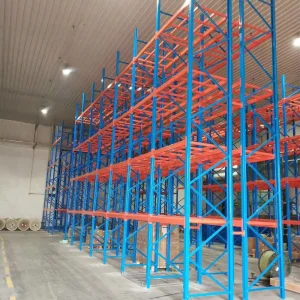
As Nepal shifts from traditional retail formats to organized modern commerce, regional logistics centers, and dry ports (like Birgunj ICP, Tatopani, and Bhairahawa Special Economic Zone), warehousing logistics are experiencing a tectonic transformation. Modern logistics managers face a dual challenge: land scarcity in major commercial zones like the Kathmandu Valley and the critical need to comply with stringent seismic safety engineering guidelines.
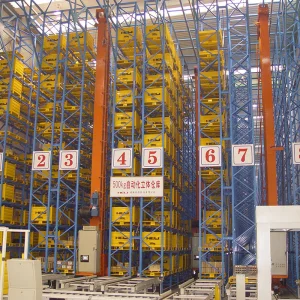
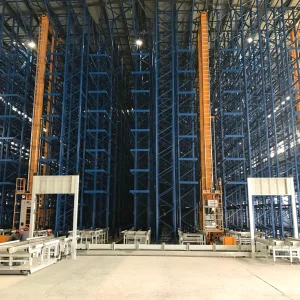
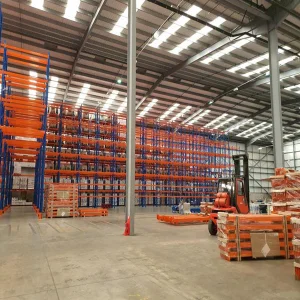
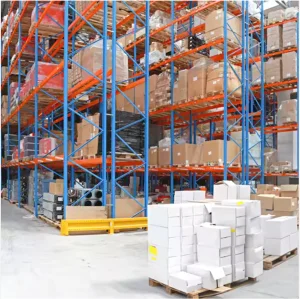
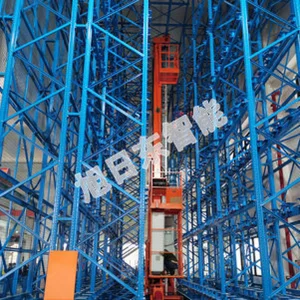
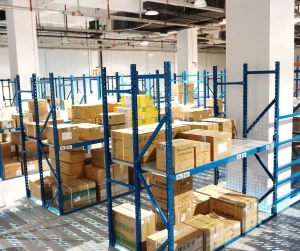
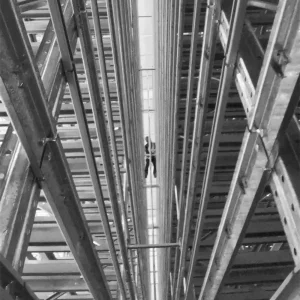
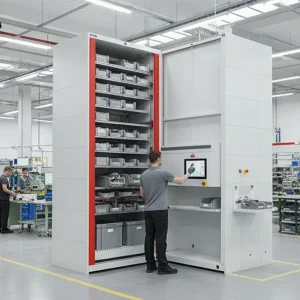
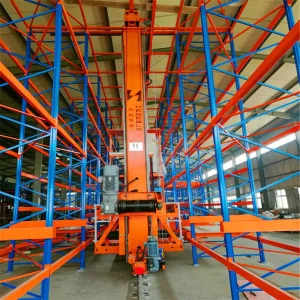
Industrial lands in urban proximity are premium assets. Vertical storage expansion is no longer an option but a structural necessity. Utilizing heavy-duty pallet racks, mezzanine floors, and automated storage and retrieval systems (AS/RS) enables Nepalese enterprises to scale storage capacity up to 300% without acquiring additional horizontal footprint. More importantly, selecting warehouse storage systems designed with rigorous attention to high-seismic configurations is the difference between operational resilience and catastrophic structural failure.
Nepal is located in one of the most seismically active zones in the world—the Himalayan collision belt. Under these dynamic conditions, warehousing racks cannot be treated as mere steel shelving. They are structural entities that must support dynamic live loads of several tons during a seismic event. This requires structural modeling under extreme Peak Ground Acceleration (PGA) conditions, following EN 15512 or FEM standards, with special structural additions like heavy-duty baseplates, cross-bracings, and dual-anchoring frameworks.
Standard shelving relies on gravity to maintain stability. For storage systems built in Nepal, the dynamic shear force must be calculated using Equivalent Lateral Force procedures. This requires high-yield structural steel profiles (e.g., Q355B structural steel, which features a yield strength of 355 MPa) and thickened heavy-duty baseplates directly anchored into a reinforced concrete slab designed for dynamic slab shear stress.
Designing racking systems for Nepal demands specialized calculations to prevent buckling and collapsing during tremors. Here is the technical checklist applied by our engineering team to ensure maximum reliability and safety in Nepal:
| Racking Component | Standard Racking Specifications | Seismic Grade Specifications (Nepal Target) | Structural Benefit |
|---|---|---|---|
| Steel Grade | Q235B (Yield Strength ≥235 MPa) | Q355B (Yield Strength ≥355 MPa) | Higher elasticity and plastic deformation capacity. |
| Baseplate Thickness | 3.0mm – 4.0mm | 6.0mm – 8.0mm Custom Dynamic Baseplate | Evenly distributes shearing force to the concrete slab. |
| Anchor Bolts | Single standard expansion bolt | Dual heavy-duty mechanical anchor bolts | Provides pull-out resistance under vertical seismic bounce. |
| Bracing System | Standard bolted diagonal bracing | Reinforced X-bracing with gusset plates | Stabilizes the frame against lateral sway. |
Different industrial sectors require tailored racking architectures to maximize efficiency. We engineer solutions across key Nepalese industries:
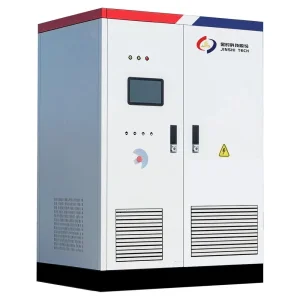
Engineered systems built to maximize vertical space and support off-grid power backups.
Purchasing warehouse racking systems directly from an advanced smart factory offers substantial technical advantages over local regional brokers. Our production line is powered by CNC roll-forming lines, automated laser-cutting stations, and robotic welding cells that achieve high precision with tolerances within ±0.5mm. This consistency ensures load-bearing components fit perfectly, minimizing local structural misalignments during setup.
For landlocked Nepalese enterprises, shipping large structural steel loads across borders can be a logistics bottleneck. Drawing on our team's 20+ years of international logistics experience, we provide tailored, secure transit routes directly from China to your warehouse site in Nepal, backed by comprehensive support:
Every shipment bound for Nepal undergoes a rigorous risk pre-screening process. We ensure all clearance documents, customs classifications, and transit insurance details are verified before dispatch, avoiding border bottlenecks at Rasuwagadhi or Birgunj.
Reliable Global Logistics & Storage Solutions directly tailored for Nepal
Our team brings over 20 years of experience in international logistics and supply chain management. We build secure logistics paths (including Sea, Railway, Air, and Truck lanes) to ensure reliable delivery directly to your Nepalese facilities.
We execute rigorous risk pre-screening on all cargo channels prior to shipping. Our familiarity with regional customs clearance requirements ensures a smooth transport process across domestic and international borders.
Operating a 500 sqm corporate office and a 4,000 sqm warehouse base, our logistics team has optimized shipping channels for challenges, including dedicated "BATTERY DDU" and rail freight options.
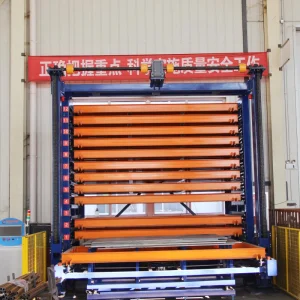
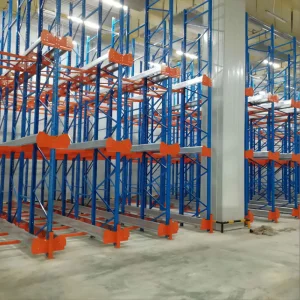
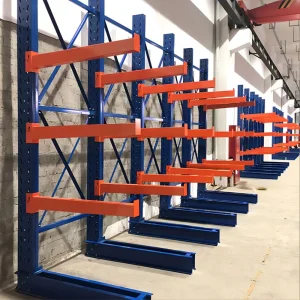
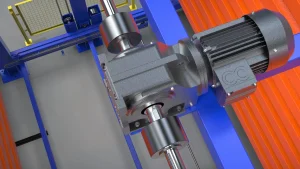
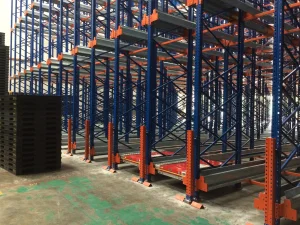
Select from our range of structural racking designs, dynamic radio shuttles, and custom mezzanine structures.
To ensure a safe and cost-effective racking installation, Nepalese procurement managers should address the following requirements:
Our engineering department uses CAD and 3D simulation tools to model racking configurations before fabrication. This ensures structural integrity, precise fitment, and verified safety margins under all operating loads.
Common technical, logistical, and structural questions answered by our engineering specialists.
Consult with our structural engineering team today to receive a customized layout layout, seismic calculations, and a competitive factory-direct quote.
Send Inquiry Now