Elixir Logistics
Elixir Logistics
Elixir Logistics
Engineered for maximum spatial utility, mechanical durability, and seamless operational flow.

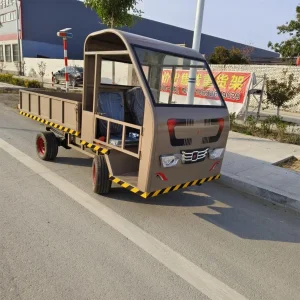
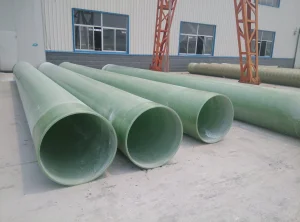
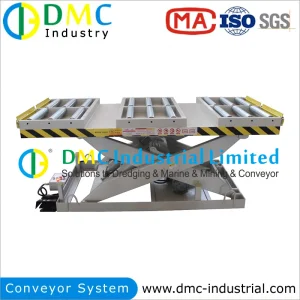
Modern global logistics is undergoing a paradigm shift driven by the explosion of multi-channel distribution networks, labor supply constraints, and the absolute requirement for near-zero inventory cycle latency. As companies scale their physical processing capacities, the distinction between static storage, smart automation, and integrated transportation networks has completely dissolved. Realizing true warehouse performance is no longer a matter of simply acquiring floor equipment; it requires structural harmony between hardware mechanics, automation controls, and cross-border transport channels.
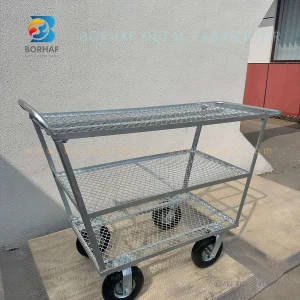
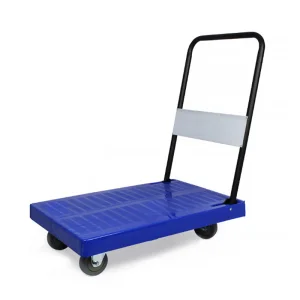
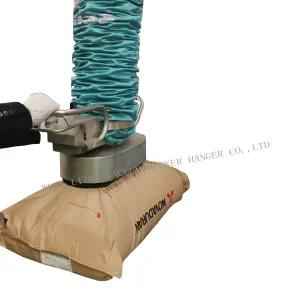
In high-volume material handling, the primary bottlenecks occur during load transitions: transferring goods from deep storage to sorting channels, loading docks, and ultimately transport vessels. If any segment operates with lower mechanical performance or lacking synchronization, throughput suffers system-wide. For example, manual carton packing or platform-cart handling cannot match the speed of automated sorters, creating operational pressure at the packaging stage. By utilizing heavy-duty automated vacuum cranes, smart forklift controls, and high-performance loading dock equipment, facility managers can eliminate physical friction and stabilize the speed of goods flowing through the facility.
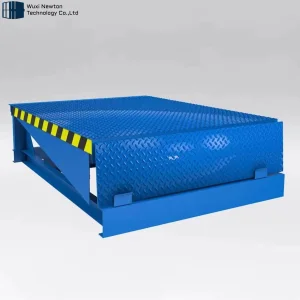
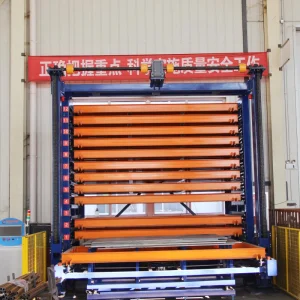
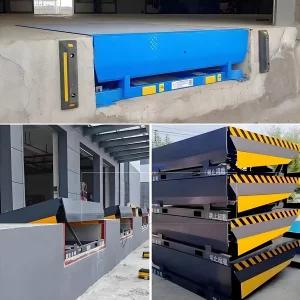
Modern warehouse design relies heavily on automated storage and retrieval systems (ASRS) and specialized lifting machinery. Systems like 3D sheet metal storage and automated vertical agricultural environments optimize spatial layout, reducing footprint demands while increasing unit density. Industrial-grade loading equipment, such as pit-mounted hydraulic container dock systems, stabilizes heavy machinery operations during transit. By deploying automated machinery, facilities significantly reduce loading/unloading cycles, optimize labor allocation, and lower cargo damage rates.
Our manufacturing capabilities and global logistics services deliver measurable, enterprise-grade value.
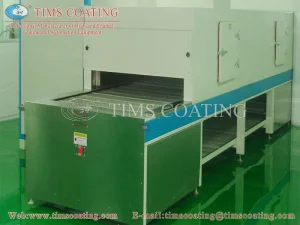
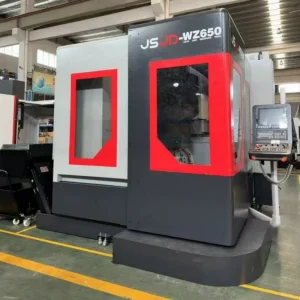
China remains the center of industrial manufacturing innovation due to its dense network of raw material providers, precision tooling factories, and integrated transportation hubs. Choosing Chinese-manufactured warehouse equipment offers a key advantage: the integration of heavy mechanical engineering with smart control systems. Chinese factories leverage deep local supply chains to source high-grade structural alloys and advanced electronic control units (ECUs) at competitive costs. This enables the production of high-durability machinery—such as five-axis vertical machining tools, automated container dock levelers, and enamel coating equipment—while maintaining competitive pricing.
Manufacturing high-quality warehouse tools is only half the equation; getting them delivered safely and efficiently to global destinations is the critical final step. This is where advanced logistics frameworks like DDP (Delivered Duty Paid), DDU (Delivered Duty Unpaid), FOB (Free on Board), and CIF (Cost, Insurance, and Freight) are essential. Utilizing dedicated sea, rail, and air channels guarantees that heavy equipment arrives on schedule and complies with local import regulations. During periods of global transport volatility, having dedicated logistics routes secures reliable transit for complex machinery, helping companies avoid costly installation delays.
We combine advanced machinery manufacturing with an experienced global logistics division to offer unified supply chain solutions.
Our core team brings over 20 years of experience in international logistics and mechanical procurement, offering deep industry expertise to every project.
Dedicated DDP/DDU/FOB/CIF routes spanning sea, rail, and air to keep global supply chains moving smoothly.
Customized solutions for complex shipping challenges, such as handling large-scale warehouse installations and regulated logistics items.
Our logistics team pre-screens customs requirements to prevent delays at international ports, ensuring smooth transit.
Every industry faces unique material handling challenges. Our products and logistics setups are tailored to meet the needs of diverse operational sectors:
Common questions regarding warehouse tool implementation, manufacturing quality, and global shipping operations.
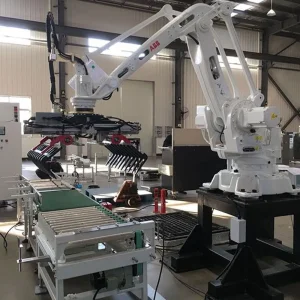
Every piece of automated machinery, including PLC carton packagers and 3D metal sheet warehouses, undergoes strict quality control and load testing. This process verifies structural alignment, electrical safety, and PLC software integration prior to packaging.
We support multiple shipping modes including sea freight (FCL/LCL), rail transit, and heavy truck delivery under DDP, DDU, FOB, and CIF terms. Our team manages customs clearance processes to facilitate smooth delivery directly to your facility.
Yes, our automated control systems run on standardized industrial protocols (such as Modbus or Profinet), allowing them to connect with mainstream Warehouse Management Systems (WMS) and ERP platforms.
Lead times depend on the scale of system customization, typically ranging from 30 to 60 days. Shipping transit varies from 15 to 40 days depending on the final destination (EU, North America, or Australia) and the chosen logistics mode.
High-reliability machinery and material handling accessories designed for continuous operation.