Elixir Logistics
Elixir Logistics
Elixir Logistics



As a leading provider in the integration of industrial hardware and global transport architectures, we bring over 20 years of core management experience in international logistics, multi-modal supply chains, and advanced tracking infrastructures. We address the volatility of modern global networks by implementing digitalized cargo tracing, IoT status telemetry, and robust logistics lanes.
Through decades of engineering and strategic development, we operate a 500-square-meter corporate headquarters and own a dedicated 4,000-square-meter warehouse. By utilizing digital logistics lanes including DDP, DDU, FOB, and CIF via Sea, Rail, Air, and Trucking pathways, we bridge the gap between Chinese precision manufacturing hubs and clients across the USA, UK, Europe, Canada, and Australia.
Even during unprecedented disruptions (such as the COVID-19 pandemic), our operational volume doubled. We sustained continuous trade lines with highly resilient programs like our "BATTERY DDU" shipping lane and the optimized "BROKE TRAIN OF LGG" rail service, proving that our logistical channels withstand macroeconomic turbulence.

We go beyond standard warehousing by integrating physical tracking assets, dynamic analytics, and strict quality control measures to secure cargo transit from raw fabrication to final destination delivery.
More than two decades of international logistics, supply chain routing, and transport asset optimization ensures your cargo is structured through risk-mitigated channels.
Comprehensive freight management across sea, air, rail, and trucking logistics. We handle all tariff, duty, and delivery protocols directly to your facility.
Tailored, secure lanes for sensitive materials (such as lithium-ion batteries via "BATTERY DDU") and express rail logistics to maintain supply chain continuity.
Proactive risk profiling on all product categories. We resolve customs anomalies at domestic and international border points prior to cargo dispatch.
Modern manufacturing requires deep synchronization between localized physical machinery and global freight tracking. By embedding analytical frameworks within industrial equipment, organizations can eliminate operational dark zones. Our macro solutions cover crucial manufacturing, sorting, and material-handling domains:
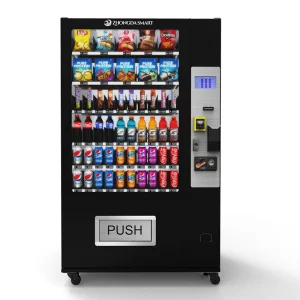
By utilizing IoT integrations within vending machines and inventory dispensers, retailers receive automated stock updates. Systems like the Cold Drink Smart Vending Machine capture consumer trends dynamically, transmitting real-time stock parameters back to regional distributors to optimize milk-run delivery routes.
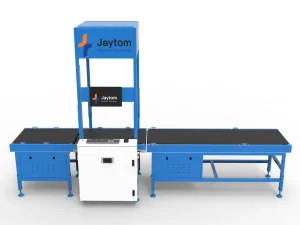
Integrating Dimension-Weigh-Scan (DWS) systems with shipping lines enables logistics providers to calculate dimensional weight profiles instantly. By tracking package attributes directly on the conveyor, operations reduce carrier audit fee margins and maximize container load plan efficiency.
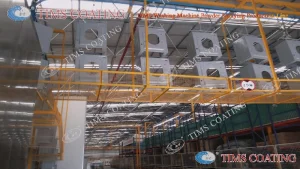
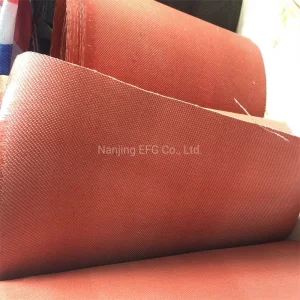
High-temperature industrial fabrication, such as coating line operations, requires precise insulation systems. Utilizing fireproof materials, such as silicone-coated fiberglass fabrics, keeps heat retained within curing chambers, reducing carbon emission metrics and safeguarding hardware components.

The paradigm of China Factory 4.0 shifts focus from simple high-volume manufacturing to agile, resource-optimized production. Under this framework, physical machinery interfaces with predictive analytics platforms. This transition is evident in modern industrial surface application plants, where thermal control systems optimize paint curing processes dynamically.
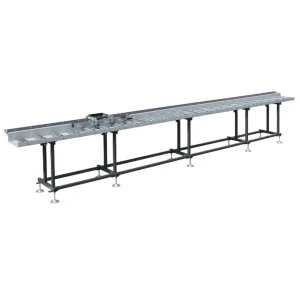
Integrating automatic variable speed conveyors with coating systems allows manufacturing lines to scale output based on warehouse receipt pipelines. In-line sensors monitor power consumption, resulting in energy savings of up to 40%. This integration shows how modern hardware serves as a critical data collection point for supply chain sustainability metrics.
Furthermore, using real-time dimensioning and weighing systems allows factories to pack finished goods with precise cubic dimensions. This synchronization minimizes spatial waste during ocean freight packing, allowing global shippers to maximize container capacity and lower per-unit transportation costs.
To survive in hyper-competitive markets, enterprises must transition from reactive supply chains to cognitive networks. Below is the technical roadmap followed by leading manufacturers and exporters to ensure complete supply chain visibility:
Deploying passive RFID systems, NFC tags, and scanning hardware to record material transitions across warehouses, fabrication zones, and outbound docks. This replaces manual entries with machine-generated logs.
Consolidating tracking data from sea, rail, air, and truck routes. Telemetry is fed into centralized ERP architectures, giving supply chain managers instant updates on customs milestones and transit status.
Leveraging predictive algorithms to analyze port congestion, container availability, and seasonal demand shifts. System logic automatically reroutes shipments to avoid bottlenecks, keeping lead times stable.
Enterprise procurement leaders face the challenge of keeping unit costs low while avoiding disruptions. Balancing high-volume orders with custom packaging requirements demands close collaboration between manufacturers, logistics teams, and border authorities.
Industrial components require custom protection during international transit. Engineered EPE and PVC foam packaging prevent damage from vibration, shock, and temperature changes during sea and rail shipping, protecting delicate electronic systems from damage.
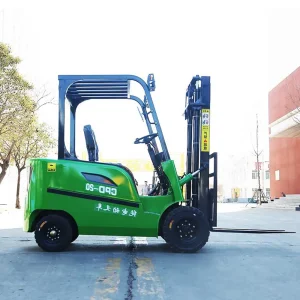
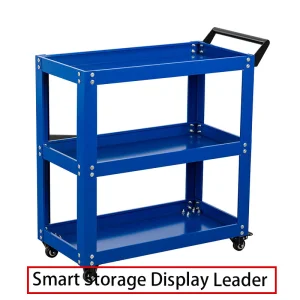
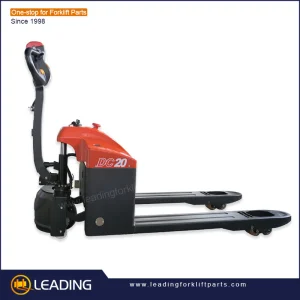
Efficient port and warehouse operations depend on reliable machinery. Implementing durable hydraulic controllers, electric pallet jacks, and heavy-duty steel tool carts keeps dock operations moving and reduces container loading times.
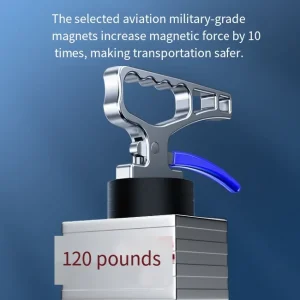
Maintaining secure transport lines requires reliable securing equipment. Utilizing heavy-duty cargo straps, lifting tools, and magnetic systems secures large machinery in cargo containers, reducing transport risks and cargo damage during transit.
Cross-border shipping requires navigating complex international trade laws. Our logistics services focus on managing tariffs, customs clearance, and local compliance requirements to prevent border delays. Every shipping lane is screened to verify documentation and ensure compliance with international rules before dispatch.
By managing all aspects of customs clearance, we handle the import and export requirements of destination ports. This includes managing complex customs regulations in the US, Europe, UK, and Australia, ensuring goods transition smoothly from vessel to local distribution networks.
For specialized freight like lithium-ion batteries, we use designated channels like "BATTERY DDU." These routes follow strict international transport protocols, ensuring dangerous goods cargo is moved safely and in compliance with all relevant safety standards.

We deploy IoT sensors, RFID tags, and automated scanning systems directly onto equipment and packaging. These devices feed real-time position, dimension, and status data to centralized systems via APIs, giving managers full visibility over shipment milestones.
We manage multi-modal networks that include sea, rail, air, and truck routing. Having these diverse options allows us to shift cargo to alternative routes—like rail networks when ocean ports are congested—keeping transit times consistent.
Our logistics team checks import rules, HS codes, and documentation compliance before shipping. Identifying and resolving compliance issues early prevents unexpected inspections and clearance delays at destination ports.
Our Factory 4.0 systems use variable-speed drives and automated heat management. These features adjust energy use based on current production rates, lowering energy consumption by up to 40% compared to traditional machinery.
We operate specialized shipping lanes designed for specific cargo types, such as our "BATTERY DDU" route. These lanes comply with UN transport standards and local import regulations to ensure safe delivery.