Elixir Logistics
The landscape of supply chains is rapidly evolving. Various logistics innovations are at the forefront of this transformation. Businesses today are harnessing advanced technologies to streamline operations and enhance efficiency. Robotics, AI, and IoT devices are becoming commonplace in logistics. These tools improve inventory management and reduce errors.
Logistics innovations are shaping modern supply chains in ways we could hardly imagine a decade ago. Automation allows for faster processing times, while data analytics ensures better decision-making. Yet, these advancements also bring challenges. Companies must ensure their systems integrate seamlessly. Balancing innovation with practical execution remains crucial.
Overall, while logistics innovations offer exciting opportunities, they require careful implementation. Organizations need to focus on training staff and maintaining security protocols. Adapting to these changes is essential for success in a competitive market. Embracing innovation is not just about technology; it's about redefining processes and mindsets in logistics.
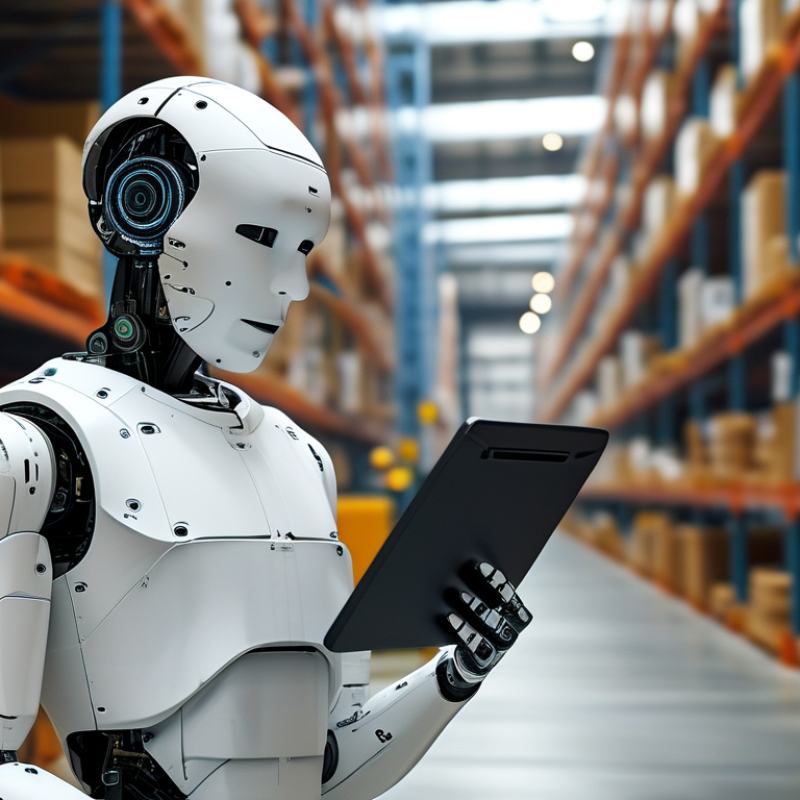
The rise of AI and machine learning is revolutionizing supply chain logistics. These technologies enhance efficiency and optimize processes. AI can analyze vast amounts of data, making predictions that improve inventory management. Companies can now track shipments in real-time, reducing delays and improving customer satisfaction.
Using machine learning algorithms, businesses can identify trends. This allows for better demand forecasting. However, reliance on these technologies can lead to challenges. Data quality is crucial. Poor data can result in inaccurate predictions. Companies must ensure they have robust processes for data collection and management.
Effective logistics strategies can be developed through careful planning. Consider this: what systems are in place to monitor data accuracy? Regular audits can reveal insights. Also, training staff to understand AI's role in logistics is vital. They should know how to interpret the data for better decision-making. Embracing these innovations requires a commitment to continual improvement.
Blockchain technology is revolutionizing logistics within supply chains. This innovation enhances transparency and security. The use of decentralized ledgers allows all parties to trace a product’s journey. According to a study by Gartner, 75% of supply chain professionals believe blockchain will disrupt their operations within the next five years.
By enabling real-time tracking, blockchain reduces fraudulent activities. Companies can verify the authenticity of products securely and efficiently. Research indicates that businesses adopting blockchain can cut supply chain costs by 10-30%. However, the implementation can be complex. Many organizations face challenges in integrating this technology with existing systems. The lack of standardized protocols is a significant barrier for some, causing delays in implementation.
Furthermore, blockchain creates visibility for end consumers. They can access product history with a simple scan. While this fosters trust, inconsistent data entry practices can undermine the reliability. Transparency is key, but not all companies are equipped to maintain accurate records. This highlights the need for ongoing training and adaptation in the workforce to maximize blockchain’s potential in supply chain logistics.
The integration of autonomous vehicles and drones is revolutionizing freight delivery in logistics. According to a report from McKinsey, the adoption of autonomous delivery systems could cut logistics costs by up to 25% by 2030. This significant reduction is due to enhanced operational efficiencies and lower labor costs. Drones, in particular, offer rapid delivery capabilities, capable of covering distances of up to 100 miles in just a few hours.
However, challenges remain. Regulatory hurdles complicate the deployment of autonomous vehicles and drones. Air traffic management and ground regulations are still evolving, which may hinder scalability. Moreover, safety concerns persist. Nearly 70% of logistics companies are hesitant to fully integrate autonomous technology due to fears of accidents. These issues highlight the need for ongoing discussions about safety standards and regulatory frameworks.
As the industry shifts, pilot programs and partnerships are gaining traction. The implementation of drone delivery in urban areas shows promise. Companies report that drones can deliver packages in around 30 minutes, compared to traditional methods taking hours. Yet, infrastructure adaptation is vital. Without proper landing zones and charging stations, the full potential of drones cannot be realized. Progress is ongoing, but the path isn't without obstacles.
The integration of IoT and smart devices is reshaping real-time supply chain management. Sensors and connected devices gather critical data, enhancing visibility throughout the supply chain. Real-time tracking allows businesses to monitor inventory levels and shipments instantly. This data-driven approach leads to better decision-making and efficiency.
Logistics can become chaotic with delays and inaccuracies. Smart devices help mitigate these issues by providing alerts when disruptions occur. Companies can respond swiftly to challenges, adapting plans based on real-time information. Predictive analytics can forecast potential issues, allowing preemptive actions. Investing in these technologies can yield significant returns, but it also requires ongoing assessment and learning.
When adopting IoT solutions, consider the data integrity and security implications. Collecting vast amounts of data raises risks. Ensure that systems are protected from cyber threats. Also, keep in mind the need for employee training. Employees play a crucial role in making the most of these tools. Technology can amplify human efforts but cannot replace them entirely.
| Innovation | Description | Benefits | Challenges |
|---|---|---|---|
| IoT Sensors | Devices that monitor conditions in real-time. | Enhanced visibility and tracking of goods. | Data privacy and security concerns. |
| Smart Warehousing | Automated storage and retrieval systems. | Increased efficiency and reduced labor costs. | High initial investment costs. |
| Blockchain Technology | Decentralized ledger for secure transactions. | Improved traceability and authenticity. | Integration with existing systems. |
| AI and Machine Learning | Algorithms that analyze data for optimization. | Predictive analytics for demand forecasting. | Need for skilled personnel. |
| Real-Time Data Analytics | Tools to analyze supply chain data continuously. | Faster decision-making and reduced latency. | Data overload and interpretation challenges. |
Sustainable logistics innovations are changing the landscape of supply chains. With pressure to reduce waste, many companies are adopting greener practices. A report from the World Economic Forum noted that logistics emissions account for around 10% of global carbon emissions. Thus, integrating eco-friendly solutions is crucial for efficiency.
Incorporating electric vehicles (EVs) in transport fleets shows promise. Companies using EVs can reduce fuel costs by up to 50%. More firms are utilizing real-time data monitoring systems. These systems help in optimizing delivery routes, lowering fuel consumption and emissions. According to a Deloitte report, companies that leverage advanced analytics for route planning can reduce waste by 30%.
Consider optimizing warehouse layouts to improve space utilization and minimize resource waste. Using biodegradable packaging is another step toward sustainability. Educating staff on efficient practices ensures everyone is aligned with waste reduction goals. Overlooking small opportunities can hinder larger sustainability efforts, so every step matters.
I impacting supply chain logistics?
Poor data can lead to inaccurate predictions. Companies need robust processes for data management.
Real-time tracking improves visibility. It allows companies to monitor inventory levels and shipments instantly.
Delays and inaccuracies can still occur. Employees must be trained to respond to alerts from smart devices.
Sustainable innovations reduce waste. Electric vehicles and optimized routes can cut fuel costs significantly.
Training ensures employees utilize tools effectively. Technology amplifies human efforts but does not replace them.
Small adjustments can significantly reduce waste. Optimizing warehouse layout and packaging choices matter.
Data integrity and security are critical. Cyber threats can compromise vast amounts of collected data.
Regular audits can reveal insights about data accuracy. They help in improving logistics strategies.
Increased data can lead to security threats. Protecting systems from cyber risks is essential.
Logistics innovations are transforming modern supply chains through the integration of cutting-edge technologies. The emergence of AI and machine learning is optimizing operational efficiency, enabling predictive analytics that enhance decision-making processes. Additionally, blockchain technology plays a critical role in bolstering transparency and security, ensuring the integrity of transactions throughout the supply chain.
Advancements in autonomous vehicles and drones are revolutionizing freight delivery, reducing costs and improving speed. Furthermore, the Internet of Things (IoT) and smart devices facilitate real-time supply chain management by providing unparalleled visibility and connectivity. Lastly, sustainable logistics innovations are driving efficiency while minimizing waste, aligning with global efforts towards environmental responsibility. Collectively, these logistics innovations are shaping modern supply chains, paving the way for a more efficient, secure, and sustainable future.
