Elixir Logistics Elixir Logistics

How to Implement Sustainable Logistics Practices in 2026?

Time:2026-05-09 Author:Henry
0%

In an era where environmental awareness is paramount, sustainable logistics practices for modern companies have become essential. The logistics sector significantly impacts carbon emissions and resource consumption. As we approach 2026, businesses are recognizing the need to adopt more responsible operations.

Implementing sustainable logistics practices is not without its challenges. Companies must navigate complex supply chains and varying regulations. They need to balance efficiency with ecological responsibility. Collaboration with suppliers and partners is crucial to establish effective practices. Transparency in operations can foster trust and accountability.

Moreover, integrating innovative technologies can enhance sustainability. Solutions like electric vehicles and AI for route optimization are gaining traction. However, companies must reflect on their commitments and remain open to new ideas. Embracing a mindset of continuous improvement is key to achieving long-lasting, sustainable logistics solutions.
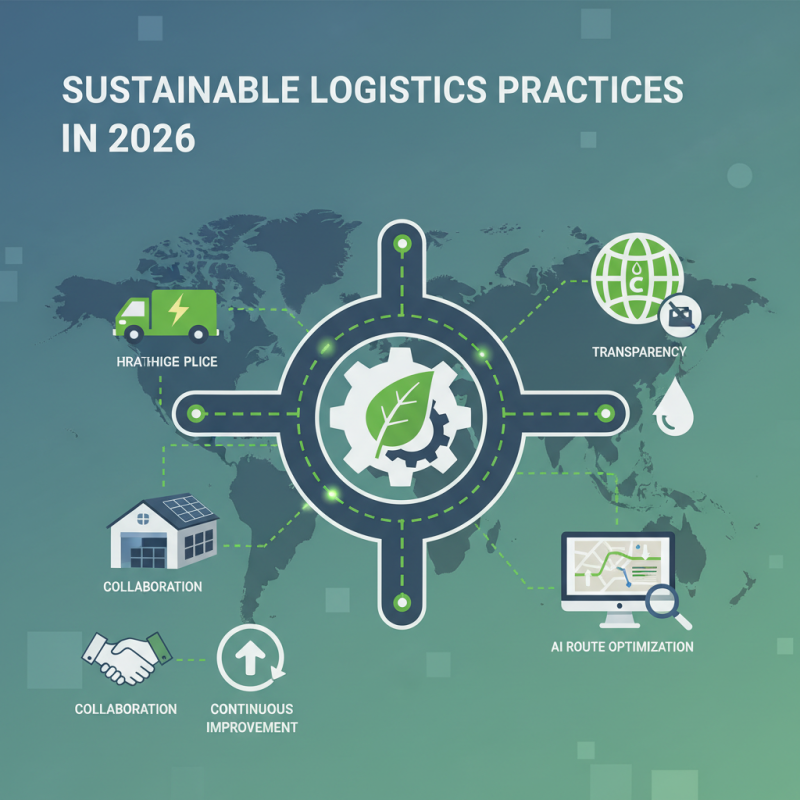
How to Implement Sustainable Logistics Practices in 2026?

Understanding Sustainable Logistics: Definitions and Importance

Sustainable logistics is increasingly crucial in today’s world. It involves optimizing supply chain operations while minimizing environmental impact. Companies are adopting eco-friendly practices to meet consumer demand for sustainability. This shift reflects an understanding of our planet's limits and an urgency to act.

Defining sustainable logistics encompasses various practices. Efficient transportation reduces fuel consumption and pollution. Implementing circular economy principles can reduce waste. Using renewable energy sources is essential. However, many organizations struggle to integrate these practices fully. Challenges include cost, technology, and workforce training. Important questions arise: Are we doing enough? Are we prioritizing long-term sustainability over short-term profits?

The importance of sustainable logistics cannot be overstated. It enhances corporate reputation and boosts consumer loyalty. Moreover, it prepares businesses for future regulations. However, achieving true sustainability requires ongoing effort. Some methods may not yield immediate results. Continuous evaluation and adaptation are necessary. The journey toward sustainability is not a straight path. Mistakes will occur, but they provide valuable lessons for improvement.

Key Sustainable Practices for Logistics in 2026

Sustainable logistics is crucial in 2026. Many companies are adopting practices that reduce carbon footprints. Transitioning to electric vehicles is one major shift. These vehicles lower emissions significantly. Integrating renewable energy sources at warehouses can also make a difference. Solar panels on roofs can power operations.

Tips: Conduct an energy audit to identify areas for improvement. Engage staff in sustainability initiatives. Their insights can be invaluable.

Additionally, implementing efficient routing software optimizes delivery routes. This reduces fuel consumption and enhances delivery speed. It’s worth noting that not all routes may be ideal. Regularly assessing these routes is essential to improve efficiency continually.

Tips: Use data analytics to track performance metrics. Regular feedback on logistics operations helps in timely adjustments. Small changes can lead to significant impacts over time.

Implementing Green Technologies in Supply Chain Management

In 2026, implementing green technologies in supply chain management is essential. Companies are increasingly focused on sustainability. This shift requires a rethinking of logistics practices. Integrating eco-friendly solutions not only benefits the planet but also enhances brand reputation.

One effective way to introduce green technologies is through electric vehicles (EVs) for transportation. EVs reduce greenhouse gas emissions considerably. Adoption is growing, but challenges remain. Upfront costs can deter businesses. However, long-term savings often outweigh initial investments.

Consider using renewable energy sources in warehouses. Solar panels can power operations. This reduces dependence on fossil fuels. Tracking energy use can identify areas for improvement.

Tips for success include investing in training for employees about sustainable practices. Knowledgeable staff can lead initiatives effectively. Collaborating with suppliers committed to sustainability is also beneficial. It can create a ripple effect, promoting wider change in the logistics industry. Striving for sustainability is a continuous journey, not a destination.

How to Implement Sustainable Logistics Practices in 2026? - Implementing Green Technologies in Supply Chain Management

Sustainable Practice Description Implementation Year Expected Impact
Electric Vehicles Replace conventional fuel vehicles with electric alternatives. 2026 Reduce carbon emissions by up to 70%.
Smart Warehousing Utilize IoT and AI for inventory management. 2026 Increase efficiency by 30% and reduce waste.
Sustainable Packaging Use biodegradable or recyclable materials. 2026 Lower waste contributions and enhance public image.
Carbon Offset Programs Invest in environmental projects to offset emissions. 2026 Neutralize carbon footprint of logistics operations.
Eco-Friendly Suppliers Choose suppliers with sustainable practices. 2026 Improve supply chain sustainability.

Measuring and Evaluating Sustainability in Logistics Operations

Measuring sustainability in logistics operations requires clear metrics. These metrics should focus on resource use, emissions, and waste. Companies must track energy consumption in warehouses and transportation. Monitoring these factors reveals areas for improvement. A comprehensive analysis can identify the most efficient routing options. This helps reduce fuel usage and overall carbon footprints.

Evaluating practices also entails assessing partnerships with suppliers. Sustainable sourcing can influence the entire supply chain. Understanding the lifecycle of products adds another layer of depth. How long a product lasts affects waste generation. Teams must ask hard questions about their full environmental impact. Comparing operational data with industry standards builds credibility.

Incorporating technology offers innovative solutions, but it's not always foolproof. Automation can streamline processes, yet it may lead to job displacement concerns. Not every eco-friendly initiative will yield immediate results. Companies must remain adaptable. Regular assessments will help refine strategies and identify real progress toward sustainability goals.

Collaborative Strategies for Sustainable Logistics Across Industries

Sustainable logistics demands collaboration across industries. This approach enhances efficiency while minimizing environmental impact. Companies can share resources, such as transportation and warehousing. By pooling their logistics efforts, they reduce carbon footprints together.

Engaging in partnerships is crucial. For instance, manufacturers can connect with retailers and distributors to streamline shipping routes. This reduces transit times and cuts emissions. Eco-friendly fleets can be shared among partners. Yet, challenges arise in aligning goals and metrics. Not all companies prioritize sustainability equally.

Transparency is vital for collaborative efforts. Sharing data on emissions and practices encourages accountability. Regular reviews can help teams identify gaps and improve. Leaders must be open to feedback, ensuring all voices are heard. Despite these challenges, the potential for sustainable logistics collaboration is immense. It’s a journey of incremental improvements, not a quick fix.

FAQS

: Why is sustainable logistics important in 2026?

: Sustainable logistics reduces carbon footprints and benefits the environment. It's vital for companies aiming to improve.

What role do electric vehicles play in sustainable logistics?

Electric vehicles significantly lower emissions. They are a key shift towards greener transportation practices.

How can warehouses become more sustainable?

Integrating renewable energy sources, like solar panels, helps reduce reliance on fossil fuels and lowers operational costs.

What is an energy audit?

An energy audit identifies opportunities for efficiency improvements in logistics operations. It pinpoint areas to enhance sustainability.

How can routing software improve logistics efficiency?

Efficient routing software optimizes delivery routes, reduces fuel consumption, and enhances overall delivery speed.

What challenges do businesses face when adopting green technologies?

Upfront costs of green technologies can deter businesses. However, long-term savings often justify the initial investment.

Why is employee engagement important in sustainability initiatives?

Engaged employees provide valuable insights. Their involvement can enhance the effectiveness of sustainability efforts.

How can data analytics aid logistics operations?

Data analytics tracks performance metrics, facilitating timely adjustments and small changes that lead to significant improvements.

What does it mean for sustainability to be a journey?

Striving for sustainability is ongoing. It requires regular assessment, adjustments, and a commitment to continuous improvement.

Why should companies collaborate with sustainable suppliers?

Collaborating with sustainable suppliers promotes a ripple effect. It encourages wider adoption of eco-friendly practices in the industry.

Conclusion

The article "How to Implement Sustainable Logistics Practices in 2026?" emphasizes the growing need for Sustainable Logistics Practices For Modern Companies as global environmental concerns intensify. It begins by defining sustainable logistics and highlighting its significance in reducing carbon footprints and enhancing operational efficiency. Key sustainable practices identified for 2026 include optimizing transportation routes, utilizing renewable energy sources, and implementing waste reduction strategies throughout the supply chain.

Furthermore, the article discusses the integration of green technologies, such as electric vehicles and smart inventory management systems, to promote sustainability in logistics operations. Measuring and evaluating the effectiveness of these practices is crucial, with metrics tailored to assess environmental impact and cost efficiency. Finally, the article advocates for collaborative strategies among various industries, encouraging partnerships that foster sustainability and innovation in logistics. Overall, adopting these practices is essential for companies aiming to thrive in an increasingly eco-conscious market.

Henry

Henry

Henry is a dedicated marketing professional with a profound expertise in the company's offerings. With years of experience in the industry, he possesses an impressive understanding of the market dynamics and consumer behaviors that drive success. Henry is committed to sharing his insights through......