Elixir Logistics Elixir Logistics

How to Enhance Warehouse Safety in Logistics Operations?

Time:2026-08-07 Author:Henry
0%

In today's fast-paced logistics environment, ensuring warehouse safety is crucial. Every year, accidents occur due to unsafe practices. Understanding "How to Improve Warehouse Safety in Logistics Operations" is an essential step for companies. Implementing effective safety measures not only protects employees but also enhances operational efficiency.

Many warehouses overlook basic safety protocols. Proper training is often neglected. This can lead to injuries that affect productivity. Visual aids, such as clear signage, play a vital role in maintaining a safe working environment. Regular safety audits can reveal hidden risks. Identifying these risks is the first step toward a safer warehouse.

Moreover, fostering a safety-first culture is imperative. Employees should feel empowered to report unsafe conditions. This can be encouraged through open communication and feedback systems. Reflecting on past incidents and their causes can drive improvements. A proactive approach is necessary for long-term success. Prioritizing safety will reap rewards for both workers and the company.
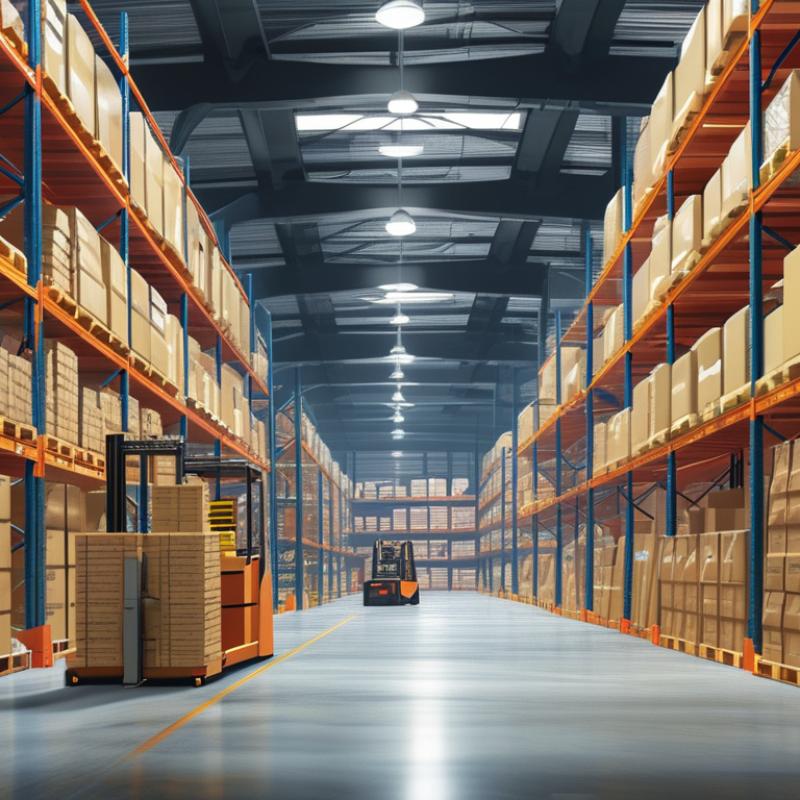
How to Enhance Warehouse Safety in Logistics Operations?

Understanding Warehouse Safety Risks in Logistics Operations

Warehouse safety is a critical aspect of logistics operations. Understanding the risks involved can help mitigate accidents and improve overall productivity. The U.S. Bureau of Labor Statistics reported that in 2020, over 100,000 workers were injured in warehouses due to slips, trips, and falls. These incidents can lead to significant downtime and increased costs.

To reduce these risks, regular training is essential. Workers should be educated on safe material handling techniques and equipment operation. Personal protective equipment (PPE) should be mandatory and maintained properly. According to safety reports, facilities with comprehensive training programs see a 30% decrease in accidents.

**Tips:**
Conduct safety drills quarterly to reinforce training.
Encourage open communication about hazards.

Implementing ergonomics can also improve safety. Poor lifting techniques can cause musculoskeletal injuries, worsening over time. Many warehouses overlook this aspect, but small changes can have a significant impact. Workers should be trained to recognize the limits of their strength.

**Tips:**
Use tools to assist with heavy lifting.
Promote rotating tasks to prevent strain.

In conclusion, understanding and addressing warehouse safety risks can lead to a more efficient logistics operation. Awareness and proactive measures are key to reducing incidents in this high-risk environment.

Implementing Effective Safety Training Programs for Employees

Implementing effective safety training programs is crucial for enhancing warehouse safety in logistics operations. According to the Occupational Safety and Health Administration (OSHA), approximately 4,500 workers die each year from workplace injuries in the United States. Many of these incidents occur in warehouses. A well-structured training program addresses hazards specific to warehouse environments, reducing the risk of accidents and injuries.

Tips for effective training include engaging employees through interactive sessions. Studies show that hands-on activities improve retention of safety protocols. Incorporate real-life scenarios to help employees understand the consequences of unsafe practices. Regular refresher courses can also reinforce training and keep safety top of mind.

Another critical aspect is evaluating training effectiveness. Collect feedback and assess whether employees feel confident in applying safety measures. If they struggle with certain procedures, additional training may be needed. Failures in training highlight gaps in understanding, signaling areas for improvement. This continuous evaluation fosters a culture of safety and accountability in the workplace.

Utilizing Technology to Improve Warehouse Safety Measures

In today's logistics operations, enhancing warehouse safety is crucial. Utilizing technology can significantly improve safety measures. According to the Occupational Safety and Health Administration (OSHA), more than 4,600 fatal workplace injuries occurred in one recent year, with many stemming from warehouse environments. This highlights the pressing need for improved safety protocols.

Modern technologies, like automated guided vehicles (AGVs) and wearables, can reduce risks. AGVs can transport goods, minimizing manual handling injuries. Wearable technology, such as smart helmets, provides real-time alerts. These tools can detect environmental hazards, enhancing worker awareness. A survey indicated that 70% of logistics professionals believe technology boosts safety efficiency.

**Tips:**
Regular training on new technologies is vital. Ensure all employees understand how to use these tools effectively.
Consider implementing a safety management system. It helps track incidents and analyze data for preventive measures.
Monitor the latest technological trends that could benefit your warehouse. Sometimes, small changes have a big impact.

Reflecting on technology's role in safety, it’s essential to ask: Are we fully utilizing available tools? Continuous evaluation can uncover gaps in safety practices. Embracing innovation while being aware of human factors is key to creating a safer warehouse environment.

How to Enhance Warehouse Safety in Logistics Operations?

Measure Technology Utilized Benefits Implementation Difficulty
Automated Safety Alerts IoT Sensors Real-time hazard notifications Medium
Wearable Safety Devices Smart Helmets Health monitoring and alerts High
Automated Forklift Operations Robotics Reduced human error in lifting High
Virtual Training Simulators VR Technology Enhanced employee training Medium
Enhanced Surveillance Systems AI Cameras Improved incident detection Low

Establishing Clear Safety Protocols and Emergency Procedures

Establishing clear safety protocols and emergency procedures in warehouse environments is crucial. A well-defined protocol can reduce risks and enhance safety. Training staff on these protocols is essential. Regular drills can help employees become familiar with emergency exits and evacuation routes. Clear signage throughout the warehouse also aids in preventing confusion during emergencies.

Safety procedures should include guidelines for using equipment. For instance, employees should wear protective gear when operating forklifts. However, we often overlook the importance of routine inspections. Neglecting equipment checks can lead to accidents. Regular audits can highlight areas in need of improvement.

It's vital to encourage open communication about safety concerns. Employees should feel comfortable reporting unsafe conditions. Creating a safety committee may help bring different perspectives. However, reliance on a single method may leave gaps. Strive for a culture of continuous improvement, always looking for better solutions. The more proactive the approach, the safer the warehouse environment will become.

Regularly Conducting Safety Audits and Inspections for Compliance

Warehouse safety is crucial in logistics operations. Regularly conducting safety audits and inspections can significantly enhance safety measures. These audits help identify hazards and ensure compliance with safety regulations. A thorough inspection should cover various aspects, including equipment, storage practices, and employee behaviors.

Tips for effective safety audits include involving a diverse team. Different perspectives reveal hidden risks. Regular training sessions for employees can also reinforce safety protocols. Encourage workers to report unsafe conditions. This creates a culture of safety where everyone feels responsible.

It's important to review and update safety practices regularly. Sometimes, old safety measures may no longer apply. Reflect on past audits to identify recurring issues. Make adjustments to your approach as needed. Employees must stay informed about new safety regulations. Communication plays a vital role in maintaining an effective safety program.

Warehouse Safety Audit Compliance Over Time

FAQS

: Why is warehouse safety important?

: Warehouse safety is crucial due to high rates of workplace injuries. Enhanced safety measures can protect workers.

How can technology improve warehouse safety?

Technology like automated guided vehicles and wearables reduces risks and enhances worker awareness of hazards.

What role do safety audits play in a warehouse?

Safety audits identify hazards and ensure compliance with safety regulations. They reveal areas needing improvement.

How often should safety audits be conducted?

Regular audits are vital. They help monitor safety practices and identify recurring issues that need addressing.

What is the significance of employee training in safety?

Regular training ensures employees understand new technologies and protocols. This reinforces a culture of safety.

How can workers contribute to safety enhancements?

Workers can report unsafe conditions. Encouraging this fosters a community mindset towards maintaining safety.

Are old safety measures still effective?

Sometimes, outdated measures may not apply. Regular reviews are needed to ensure relevance and effectiveness.

What should a safety management system track?

A safety management system tracks incidents and analyzes data, helping implement preventive measures efficiently.

How do diverse teams help in safety audits?

Bringing various perspectives reveals hidden risks that might be overlooked in audits, enhancing overall safety.

Can small changes make a significant impact on safety?

Yes, small adjustments can lead to substantial improvements in safety practices when implemented consistently.

Conclusion

To improve warehouse safety in logistics operations, it is crucial to first understand the various safety risks that are commonly present in such environments. By recognizing these risks, organizations can better tailor their safety protocols and training methods. Implementing effective safety training programs for employees is essential, as it equips them with the knowledge to identify hazards and respond appropriately.

Additionally, the utilization of technology can significantly enhance safety measures within warehouses. From automated systems to real-time monitoring tools, technology plays a vital role in preventing accidents. Establishing clear safety protocols and emergency procedures ensures that all employees are aware of the steps to take in case of an incident. Finally, regular safety audits and inspections are necessary to maintain compliance and continuously assess the effectiveness of safety strategies. Through these comprehensive approaches, companies can effectively address how to improve warehouse safety in logistics operations.

Henry

Henry

Henry is a dedicated marketing professional with a profound expertise in the company's offerings. With years of experience in the industry, he possesses an impressive understanding of the market dynamics and consumer behaviors that drive success. Henry is committed to sharing his insights through......