Elixir Logistics Elixir Logistics

How to Effectively Manage Peak Season Logistics Demand?

Time:2026-05-28 Author:Aria
0%

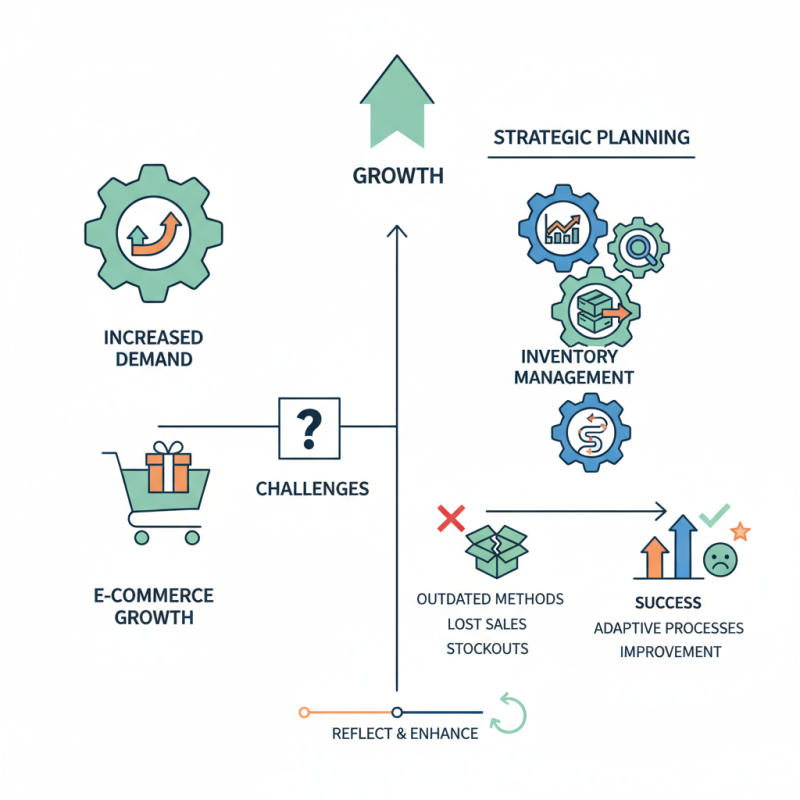
The logistics sector faces significant challenges during peak seasons. According to the Council of Supply Chain Management Professionals (CSCMP), about 45% of logistics managers struggle to cope with increased demand during these periods. This raises the question of how to manage peak season logistics demand effectively. With e-commerce growth, especially during holidays, demand surges dramatically. In 2022, it was reported that e-commerce sales during the holiday season increased by 20% compared to the previous year.

To navigate this complexity, companies must implement strategic planning. Utilizing real-time data analytics can provide insights into consumer behavior. Proper inventory management also becomes essential. Yet, many firms still rely on outdated methods, risking lost sales and customer dissatisfaction. A 2023 survey revealed that 30% of businesses failed to predict peak demand accurately, leading to stockouts and delays.

The importance of flexibility in logistics operations should not be overlooked. Businesses must be adaptive, refining their processes as market conditions evolve. There's always room for improvement, and companies must reflect on past performance to enhance future strategies. Knowing how to manage peak season logistics demand will be key for success in the increasingly competitive market.
How to Effectively Manage Peak Season Logistics Demand?

Understanding Peak Season Logistics and Its Challenges

Peak season logistics pose unique challenges to businesses. Demand surges, often leading to congestion. Warehouses may face overcrowding. Transportation becomes more complex, as routes become busier. Unexpected delays can arise, causing frustration for both companies and customers.

Understanding these challenges is crucial for effective management. Companies might underestimate their inventory needs. Communication breakdowns can occur between departments. This can lead to poor forecasting and stock discrepancies. Additionally, workforce management becomes a critical issue. Finding skilled labor during peak times is often difficult.

Adopting flexible logistic strategies can mitigate these problems. Utilizing technology for real-time tracking is essential. It helps address potential issues before they escalate. Collaborative partnerships with logistics providers can enhance responsiveness. Seeking feedback from team members often reveals overlooked areas for improvement. Embracing these reflections can lead to more efficient operations during peak seasons.

Analyzing Demand Patterns for Effective Logistics Planning

Analyzing demand patterns is crucial for effective logistics planning during peak seasons. Companies often face challenges in meeting increased consumer demand. Research indicates that logistics costs can increase by up to 30% during peak periods, making planning essential. Understanding historical data helps in predicting future trends. For instance, sales spikes can occur around holidays or special events.

Tip: Use data analytics tools to identify trends. Look at previous years’ sales data. This can reveal invaluable insights into customer behavior.

In addition to data analysis, flexibility in logistics operations is key. Many businesses struggle to adapt quickly to sudden demand changes. A report by the Council of Supply Chain Management Professionals (CSCMP) shows that 75% of firms lack the ability to scale their logistics operations effectively during peak times. Embracing technology, like real-time inventory tracking, can help companies navigate these fluctuations.

Tip: Invest in technology that supports real-time updates. This improves responsiveness and reduces potential losses due to overstock or understock situations.

Ultimately, a proactive approach to analyzing demand patterns will enhance logistics efficiency. Businesses that prioritize planning can achieve better customer satisfaction and operational success during peak seasons.

Strategies for Optimizing Inventory Management During Peak Times

During peak seasons, managing inventory effectively is crucial for logistics success. A study by the Council of Supply Chain Management Professionals revealed that companies often face a 30% increase in demand. This surge necessitates a strategic approach to inventory management. Employing real-time data analytics can enhance visibility across supply chains. When businesses have accurate insights, they can predict demand fluctuations more effectively.

Flexibility is vital. Businesses should consider diversifying their suppliers to mitigate risks. According to a report from Logistics Management, companies with multiple suppliers can reduce lead times by up to 25%. While this offers some reliability, challenges still arise. Maintaining too much inventory leads to increased carrying costs. Inventory turnover rates decline over long periods.

Another strategy involves prioritizing stock based on sales velocity. This can help businesses avoid overstocking slow-moving items. A report by the Institute of Supply Chain Management highlights that focusing on top-selling products can increase efficiency significantly. However, organizations often overlook the need for proper forecasting techniques. Misjudgment in demand can lead to missed opportunities and lost sales. Each of these strategies requires thoughtful reflection to truly optimize inventory management.

Implementing Technology Solutions for Streamlined Operations

In the fast-paced world of logistics, managing peak season demand can be challenging. Implementing technology solutions can streamline operations and improve efficiency. Automation tools can help manage inventory levels and track shipments in real-time. This reduces manual errors and saves valuable time. Investing in reliable software ensures all teams stay connected and informed.

Data analytics plays a crucial role in understanding demand patterns. Analyzing historical data helps predict peak periods. However, it’s not foolproof. Unforeseen events may disrupt established patterns. Being prepared for unexpected spikes can mitigate potential setbacks. It's also vital to regularly assess technology effectiveness. This reflection helps identify areas for improvement and adjustment.

Integrating Artificial Intelligence (AI) into logistics operations can enhance decision-making. AI algorithms can optimize routes and reduce transit times. Yet, reliance on technology alone can present challenges. Human oversight remains essential to adapt to dynamic conditions. Addressing these complexities requires ongoing training and development for staff. Continuous learning ensures teams can effectively leverage technology to meet logistical demands.

Enhancing Collaboration with Suppliers and Distributors for Efficiency

Managing peak season logistics effectively requires strong collaboration with suppliers and distributors. According to a report by the Council of Supply Chain Management Professionals, over 70% of companies face challenges during peak demand periods. This underscores the need for coordinated efforts in supply chain management.

Collaboration can lead to improved efficiency. For example, sharing forecasts and demand data with suppliers allows for better inventory management. When distributors know what to expect, they can plan accordingly. A recent study suggests that businesses that engage in real-time communication improve their response times by up to 30%.

Tips for enhancing collaboration:

  • Setting up regular check-ins
  • Utilizing technology for data sharing
  • Ensuring everyone is on the same page
  • Establishing clear roles and responsibilities
  • Continuous evaluation and feedback loops to identify areas needing improvement
Reflecting on past peak seasons can reveal what strategies worked and what didn’t. Communication and trust are essential in building effective partnerships.

FAQS

: What are the main challenges during peak season logistics?

: Demand surges can lead to congestion and overcrowded warehouses. Transportation routes become busy, causing delays.

How does underestimating inventory needs impact businesses?

Companies may face stock discrepancies and poor forecasting, leading to frustration among suppliers and customers.

Why is flexible logistics important in peak seasons?

Flexibility helps businesses adapt to changing demands and mitigate potential issues that may arise during busy periods.

What role does technology play in managing inventory?

Real-time tracking technology enhances visibility and helps address potential issues before they become significant problems.

How can businesses improve collaboration with suppliers?

Sharing forecasts and engaging in regular communication leads to better inventory management and improves response times.

What is the effect of having multiple suppliers?

Diversifying suppliers can reduce lead times significantly, enhancing reliability during peak demands.

Why is prioritizing stock based on sales velocity important?

Prioritizing helps avoid overstocking slow-moving items and increases overall efficiency.

What should organizations reflect on after peak seasons?

They should evaluate which strategies worked and identify areas needing improvement for future peak times.

How can improper forecasting affect an organization?

Misjudgment in demand may lead to missed opportunities, lost sales, and increased carrying costs.

What is essential for building effective partnerships during peak seasons?

Trust and clear communication are crucial for ensuring all parties work towards common goals.

Conclusion

Managing peak season logistics demand requires a comprehensive understanding of the unique challenges presented during high-demand periods. To effectively navigate these challenges, companies must analyze demand patterns to inform their logistics planning. By recognizing fluctuations in consumer behavior and aligning inventory management strategies accordingly, businesses can optimize their supply chain operations.

Additionally, implementing technology solutions plays a critical role in streamlining logistics processes, allowing for real-time tracking and improved communication. Enhancing collaboration with suppliers and distributors further maximizes efficiency and ensures a smoother operation during peak times. Ultimately, understanding "How to Manage Peak Season Logistics Demand" is essential for businesses aiming to maintain customer satisfaction while maximizing their logistical capabilities.

Aria

Aria

Aria is a dedicated marketing professional with a deep passion for innovative strategies and a keen understanding of our company's product offerings. With a wealth of experience in the industry, Aria excels at crafting engaging content that highlights the unique features and benefits of our......