Elixir Logistics
In today's global market, exporters face numerous logistics compliance considerations. The World Bank reported that trade logistics can account for up to 15% of total export costs. This highlights the importance of understanding local regulations and compliance requirements. Logistics compliance considerations for exporters are not just a bureaucratic hurdle; they can significantly impact profitability and efficiency.
Many exporters often underestimate the complexities involved in cross-border shipments. For instance, misunderstanding customs regulations can lead to delays, penalties, and even loss of goods. A recent survey indicated that 30% of companies faced compliance issues in international shipping, which directly affected their bottom line. Awareness of proper documentation and shipment procedures is crucial for maintaining smooth operations.
In an industry marked by constant change, staying informed is vital. Compliance requirements vary widely across regions, necessitating regular training and updates. Exporters must reflect on their strategies to ensure they meet these regulations consistently. Adapting to these challenges not only aids in compliance but also fosters trust with clients and partners, enhancing reputational value in the marketplace.
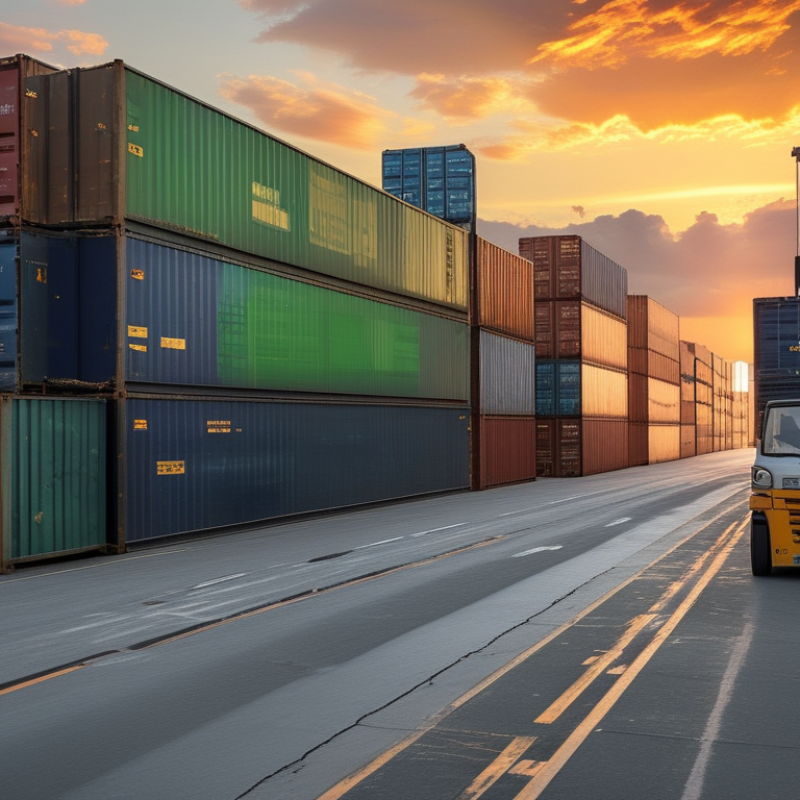
China's logistics landscape is intricate, shaped by evolving regulations. Exporters must navigate various compliance challenges to ensure smooth operations. According to a report from the World Bank, logistics costs in China account for about 11% of its GDP. This figure underscores the importance of efficient compliance in avoiding additional expenses.
Knowledge of customs regulations is imperative. For instance, understanding the Harmonized System (HS) code is crucial. It helps in classifying goods accurately and avoids penalties. Many exporters overlook this detail, leading to unexpected delays. Effective training and resources on these codes can significantly reduce compliance errors.
Additionally, environmental regulations are increasingly stringent. The Chinese government has imposed tougher emissions standards for vehicles transporting goods. This change aims to reduce pollution but can disrupt established logistics practices. Staying informed about such regulations allows exporters to adapt operations proactively. Regular audits and consultations with logistics experts can help identify potential compliance gaps.
When exporting goods from China, proper documentation is crucial for compliance. Exporters must prepare several key documents to ensure smooth shipment and customs clearance. A study by the World Bank indicates that inefficient documentation can lead to delays, affecting trade efficiency.
The Bill of Lading is essential. This document serves as a receipt for the cargo and a contract between the shipper and carrier. Another critical document is the Commercial Invoice. It details the goods sold, pricing, and payment terms. This invoice helps customs assess duties. Incomplete or inaccurate invoices can result in penalties.
Certificates like the Certificate of Origin and phytosanitary certificates are also vital. These documents verify where the goods were produced and confirm they meet health standards. According to trade logistics reports, missing or incorrect certificates can cause shipments to be held up. Exporters must prioritize accuracy in their documentation. Any oversight can lead to significant delays and added costs.
| Documentation | Description | Importance |
|---|---|---|
| Commercial Invoice | A document that outlines the sale transaction between the seller and buyer. | Essential for customs and export clearance. |
| Packing List | Details the contents of each package, including weights and dimensions. | Facilitates customs inspections and logistics management. |
| Bill of Lading | A legal document between the shipper and carrier; includes details of the shipment. | Acts as a receipt and contract of carriage. |
| Certificate of Origin | Certifies the country where the goods were manufactured. | May be required for tariff preferences. |
| Export License | A government-issued license that allows the export of goods. | Necessary for controlled goods and compliance with local laws. |
| Insurance Certificate | Proof that goods are insured for the shipment. | Protects against loss or damage during transit. |
Understanding customs clearance processes is vital for exporters in China. These steps can be complex and time-consuming. Failing to comply can lead to delays or fines. Exporters should begin by preparing all necessary documents early. This includes invoices, packing lists, and any required certificates. Having these documents ready helps prevent last-minute issues.
Communication with local customs is crucial. Exporters should regularly check for any changes in regulations. Understanding tariff codes is another important aspect. Errors in classification can lead to unexpected costs. It's advisable to engage a customs broker who knows the local rules.
Consider the timing of your shipments. Planning your export schedule around local holidays and peak seasons can significantly improve efficiency. Be aware that customs inspections can occur at any time, adding to the unpredictability. Flexibility in shipping dates can help mitigate these issues, allowing exporters to adapt quickly.
Finding the right logistics partner is crucial for compliance success in international trade. A reliable partner understands the regulatory landscape of both China and the countries you are exporting to. They should have a strong grasp of documentation requirements, tariffs, and customs procedures. Ask potential partners about their previous experience with compliance issues. This can provide insight into their expertise and reliability.
Effective communication is also vital. Consider how your partner handles updates on regulatory changes. A good logistics partner proactively informs you of any changes that may impact your exports. Look for companies that offer clear and accessible communication channels. This ensures you stay compliant and are aware of any potential challenges in your supply chain.
Evaluate the technology your logistics partner utilizes. Are they using up-to-date systems to track shipments and manage documentation? Technology plays a key role in maintaining compliance. It can also help to pinpoint issues before they escalate. Challenges may arise, and it’s important to choose a partner that is willing to reflect on past mistakes and continuously improve their processes.
Navigating the complexities of international shipping can be daunting for exporters. One crucial aspect to consider is compliance with logistics regulations. Start by understanding the specific requirements of your destination country. Each nation has its own rules, which may include detailed documentation and customs procedures. Missing a single document can lead to significant delays. Therefore, conducting thorough research on local regulations is vital.
Another important practice is maintaining clear communication with your logistics partners. Share relevant information about your products and any unique challenges you may face. This could involve discussing packaging requirements or labeling specifics. Effective communication reduces the risk of compliance breaches and ensures smoother operations.
Regular training for your staff is essential too. Compliance isn’t a one-time effort; it requires ongoing education. Consider hosting workshops on regulatory updates or sharing resources about best practices in shipping. It's not uncommon for exporters to overlook changes in regulations. Staying informed helps in avoiding costly missteps. Ensuring all team members are equipped with the latest knowledge enhances your overall compliance strategy.
: Essential documents include the Bill of Lading, Commercial Invoice, and various certificates like the Certificate of Origin.
Accurate documentation prevents delays, fines, and additional costs. Inaccurate information can halt shipments at customs.
Exporters should prepare necessary documents early and check for any changes in regulations regularly.
Effective communication helps exporters stay updated on regulations and avoid unexpected costs due to errors.
Planning shipments around holidays and peak seasons improves efficiency. Flexibility in shipping dates is crucial.
A reliable partner should understand regulatory requirements and have experience with compliance issues in international trade.
Technology is vital for tracking shipments and managing documentation. It can identify issues early and avoid potential problems.
Ask about their experience with compliance issues and how they handle updates on regulatory changes.
Choose partners willing to reflect on past mistakes and continuously improve processes, ensuring better compliance.
Missing or incorrect certificates can lead to customs delays and additional scrutiny of shipments.
In navigating the complexities of exporting goods from China, understanding logistics compliance considerations for exporters is crucial. This involves familiarizing oneself with China's logistics regulations, which dictate the necessary steps for compliant export processes. Essential documentation, including invoices and packing lists, plays a vital role in ensuring smooth customs clearance, making it imperative for exporters to meticulously prepare these documents.
Moreover, selecting the right logistics partner can significantly enhance compliance success, as a knowledgeable partner can guide exporters through the intricate requirements of international shipping. Adopting best practices, such as regular updates on regulatory changes and thorough checks of all shipping paperwork, can further bolster compliance efforts, ultimately leading to a seamless exporting experience in the global marketplace.
