 Elixir Logistics
Elixir Logistics
Elixir Logistics
Artificial Intelligence (AI) is fundamentally altering the logistics landscape. According to a report from McKinsey, AI can potentially reduce logistics costs by up to 15%. This is significant for an industry where margins are often tight. How Artificial Intelligence Is Transforming Logistics is a question many industry leaders are eager to answer as they seek to optimize operations.
AI technologies, like machine learning and predictive analytics, enable real-time data analysis. This allows for better demand forecasting and inventory management. According to Gartner, companies leveraging AI in logistics report a 30% increase in operational efficiency. However, such advancements also bring challenges. Dependence on AI systems raises concerns about data privacy and algorithm transparency. Addressing these issues is critical for long-term success.
Despite the transformative potential, not every logistics company is ready to embrace AI. Many lack the necessary infrastructure and skills. Those who do adopt AI face ongoing challenges with implementation and integration. However, the investment could lead to increased resilience and adaptability in a rapidly changing market. Therefore, understanding How Artificial Intelligence Is Transforming Logistics remains essential for stakeholders aiming to thrive in this evolving environment.
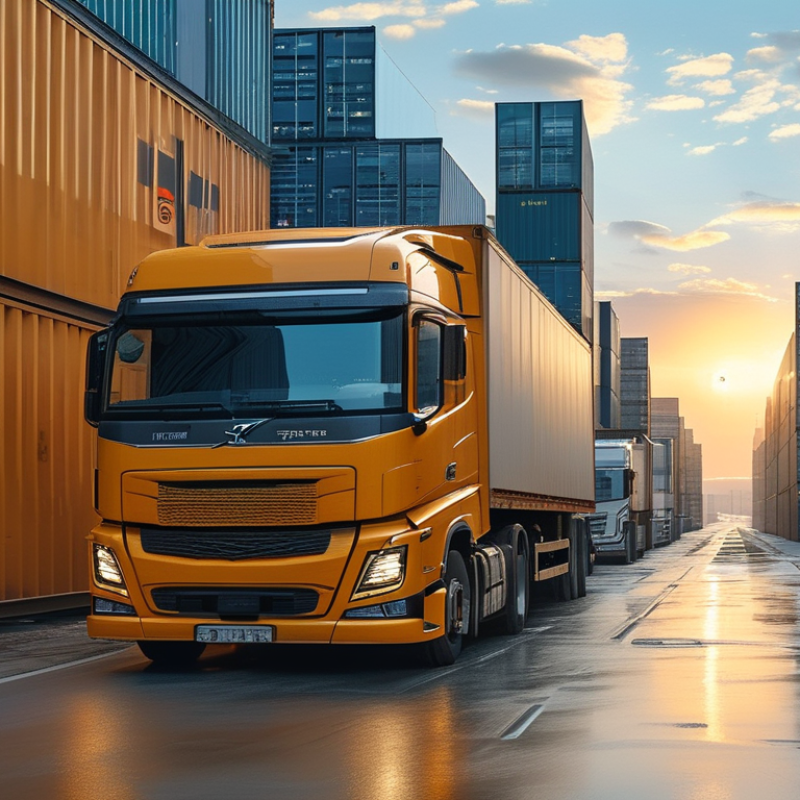
Artificial intelligence is dramatically enhancing supply chain efficiency. A recent study found that implementing AI can improve supply chain forecasting accuracy by up to 30%. This improvement translates into reduced costs and better inventory management. When logistic companies leverage AI, they experience a notable decrease in operational delays. In fact, an impressive 75% of logistics leaders believe AI solutions can boost their service delivery.
AI's impact is visible across various logistics functions. Automated inventory tracking has reduced errors by nearly 50%, ensuring more accurate stock levels. However, not all companies have embraced AI technologies. Some face challenges in integration and workforce adaptation. This gap may hinder their competitiveness in a rapidly evolving market. As AI continues to grow, companies must reflect on their readiness to evolve.
The optimization of routes using AI tools can decrease transportation costs significantly. Studies indicate potential savings of 10-15% in fuel expenses alone. Nonetheless, reliance on AI also requires a reevaluation of data security protocols. Companies must ask tough questions about privacy and data management. Balancing advancements with ethical considerations is crucial for long-term sustainability.
I improve supply chain efficiency?
AI reduces operational delays. About 75% of logistics leaders agree AI boosts service delivery.
Yes, it reduces errors by nearly 50%. This ensures better stock level management overall.
Challenges in integration and workforce adaptation can hinder adoption, affecting their competitiveness.
Route optimization using AI can save 10-15% on fuel expenses. This significantly lowers transportation costs.
They need to reevaluate privacy and data management protocols, as AI reliance raises ethical concerns.
AI analyzes data to predict traffic patterns, ensuring timely deliveries, but local factors may be overlooked.
No, AI can misinterpret data, leading to poor decisions. Continuous human oversight is essential for accuracy.
How Artificial Intelligence Is Transforming Logistics by enhancing supply chain efficiency and optimizing operations has become a pivotal trend in the industry. The automation of warehouse processes through AI technologies streamlines workflows, reduces operational costs, and minimizes human errors. Furthermore, real-time data analytics powered by AI provides key insights that enable logistics companies to make informed decisions swiftly, thus improving overall responsiveness.
Moreover, AI-driven logistics solutions significantly enhance customer experience by offering personalized services and faster delivery options. Predictive analytics plays a crucial role in forecasting demand and managing inventory effectively, ensuring that supply meets customer needs dynamically. Overall, the integration of AI in logistics is not just a technological upgrade; it's a transformation that reshapes how businesses operate and compete in the modern marketplace.
